
Importance of Industry Visits for Students
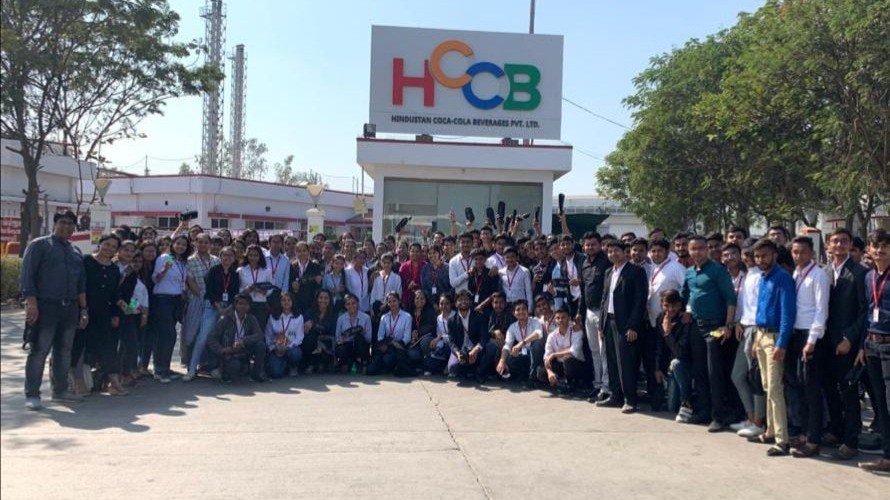
In today’s competitive academic environment, classroom learning alone is not enough to prepare students for real-world challenges. While textbooks build theoretical understanding, practical exposure helps students understand how industries actually function. This is where industrial visits for students play a vital role.
Industrial visits bridge the gap between academic concepts and real-time business operations. They give students a first-hand understanding of corporate culture, management processes, production systems, and workplace expectations. Especially for management students, exposure to industries is not just an additional activity but it is a crucial part of professional development.
In business schools, industry visits are designed to help students observe, interact, and learn directly from professionals. These visits offer insights into how decisions are made, how departments coordinate, and how companies maintain efficiency in a competitive market.
Let us understand what industrial visits really mean and why they are essential for students pursuing management education.
What is an Industrial Visit for Students?
The importance of industrial visit lies in its ability to provide experiential learning. An industrial visit is an organized trip by students to companies, factories, corporate offices, startups, or manufacturing units to understand real-world operations.
During an industrial visit, students typically:
- Observe production processes
- Understand organizational hierarchy
- Learn about supply chain management
- Interact with industry professionals
- Explore real business challenges
Unlike classroom lectures, these visits offer practical exposure. Students get to see how theoretical concepts like operations management, marketing strategies, human resource planning, and financial decision-making are implemented in real situations.
For example, a visit to a manufacturing plant may help students understand inventory control, quality assurance, and logistics management. A corporate office visit may provide insights into leadership styles, team coordination, and strategic planning.
Industrial visits make learning more dynamic and memorable because students can connect classroom knowledge with practical applications.
What is the Objective of Industrial Visit in Business Schools?
The primary objective of an industrial visit in business schools is to prepare students for the corporate world. For industrial visit for MBA students, the goal goes beyond observation; it focuses on strategic understanding and managerial exposure.
Key Objectives
1. Bridging Theory and Practice
MBA students study subjects like finance, marketing, operations, and human resource management. Industry visits help them understand how these subjects function in real business scenarios.
2. Understanding Corporate Culture
Students observe workplace discipline, professional behavior, communication styles, and leadership structures. This helps them prepare for internships and placements.
3. Exposure to Business Operations
From production lines to boardroom discussions, students get a broader view of how businesses operate daily.
4. Career Clarity
Many students are unsure about their specialization. An industrial visit can help them decide whether they are more inclined towards marketing, HR, operations, finance, or analytics.
5. Networking Opportunities
Industry visits allow MBA students to interact with professionals, which may open doors for internships, live projects, or future employment opportunities.
In business schools, industrial visits are not just excursions; they are structured learning experiences aligned with academic objectives.
Why are Industrial Visits Important For Students?
Industrial visits are beneficial for students at different levels of management education. Whether it is an industrial visit for BBA students or MBA students, the impact is significant.
Let’s explore why they are important:
1. Practical Exposure to Real Business Environment
Students get a real-time understanding of how companies function. They observe workflows, teamwork, deadlines, and quality standards. This practical exposure builds confidence.
2. Improved Understanding of Concepts
Subjects like supply chain management, operations, marketing campaigns, and financial planning become clearer when students see them implemented practically.
Example:
- Seeing a production unit helps understand operations management.
- Visiting a retail outlet explains customer behavior and marketing strategies.
3. Development of Professional Skills
Industrial visits help students develop:
- Communication skills
- Observation skills
- Analytical thinking
- Professional etiquette
When students interact with company representatives, they learn how to ask relevant questions and present themselves confidently.
4. Industry Awareness
Students gain awareness about:
- Latest technologies
- Market trends
- Industry challenges
- Business competition
This helps them stay updated and industry-ready.
5. Increased Motivation
Seeing successful organizations in action motivates students. It helps them visualize their own career paths and understand the level of dedication required to succeed.
6. Better Internship & Placement Preparation
Students who attend industry visits often perform better during interviews because they can relate theoretical answers to practical experiences. Recruiters value candidates who understand real business operations.
7. Exposure to Organizational Structure
Students learn how departments like HR, Finance, Marketing, and Operations coordinate with each other. This holistic understanding is essential for future managers.
The Bottom Line
Industrial visits play a crucial role in shaping students into industry-ready professionals by connecting academic learning with real-world business environments. Through direct exposure to companies, students gain a deeper understanding of how organizations operate, how decisions are made, and how different business functions work together to achieve organizational goals.
These experiences allow students to see beyond textbooks and develop a practical perspective on management concepts, workplace culture, and industry expectations. By observing real business processes and interacting with professionals, students begin to understand the complexities and dynamics of the corporate worl
For students pursuing BBA and MBA programs, industrial visits act as a bridge between education and employment. They help students transition from theoretical learners to future professionals who can apply knowledge in practical situations.
In essence, industrial visits strengthen the relevance of management education by aligning classroom learning with industry realities. They not only enhance students’ understanding of business operations but also prepare them to enter the professional world with greater awareness, confidence, and clarity.